
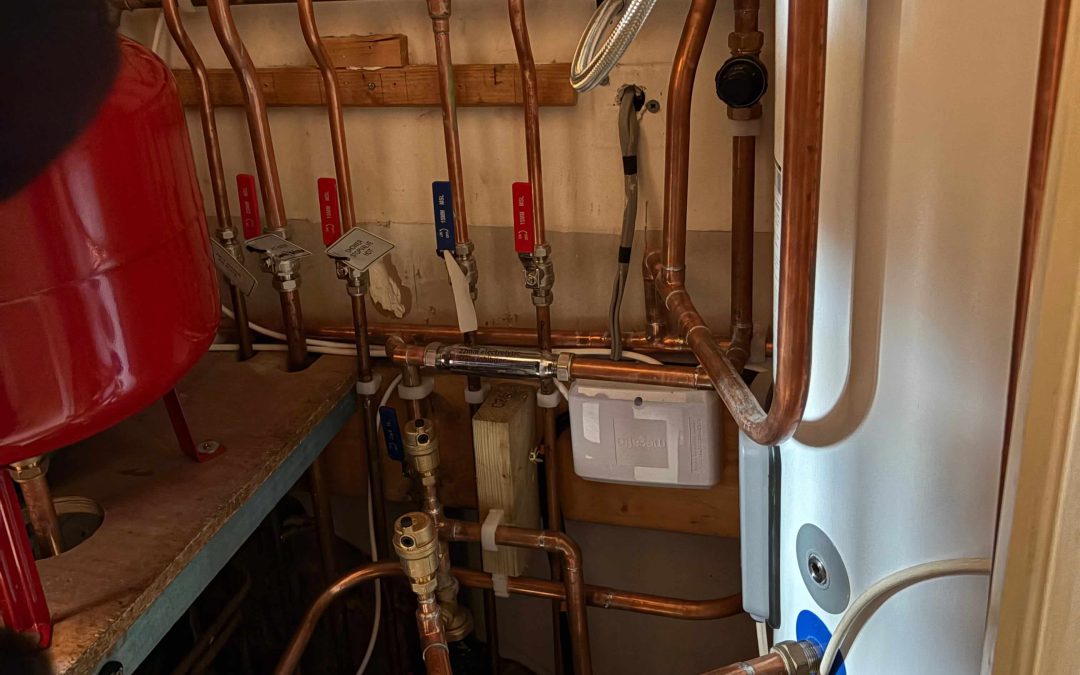
A leak or burst pipe can catch you off guard, and it can be very easy to panic when you see water leaking. Turning off your water quickly can stop a leak becoming a flood.
Why Acting Quickly Matters
A burst pipe, serious leak or overflowing appliance can release a lot of water in minutes. Knowing how to turn off your property’s water supply can help limit further damage whilst you arrange professional help.
It is always worth finding your stopcock before you even need it. Although every plumbing layout will vary, most homes will have an internal stopcock that controls the incoming mains water supply.
Where is Your Stopcock?
The internal stopcock is often found underneath the kitchen sink, although this is not always guaranteed. It may also be near the point where the water supply enters the property, inside a utility area, under the stairs or in another accessible location.
Older properties and homes with unusual plumbing arrangements can differ, so don’t wait for an emergency to find out where yours is located.
How to Turn off Your Water Supply
Once you have located the stopcock, turn the handle clockwise to close it. Older brass stopcocks need several full turns. Newer lever types need a quarter turn until the handle sits across the pipe. Depending on the design, you may need to turn it several times. Don’t force a stiff stopcock. An old spindle can snap, turning a leak into a flood.
After you close the stopcock, open a cold tap to help release pressure and allow water remaining in the pipework to drain. If your home has a cold water tank in the loft, closing the stopcock won’t stop water flowing from the tank to your hot taps, bathroom taps and toilet. Turn off the gate valve on the pipe leaving the tank if there is one, then open all your taps and flush the toilets to drain the system.
Switch off your boiler or immersion heater while the water is off. When the plumbing issue has been dealt with, reopen the stopcock slowly by turning it anti-clockwise, checking for any signs of leakage as the supply returns.
What To Do After Shutting Off the Water
Check the electrics first. If water has reached sockets, light fittings or appliances, don’t touch them or walk through standing water. If you can reach the consumer unit safely, switch off the electricity. If you can’t, leave the area and get professional help.
Once it’s safe, move furniture and belongings away from the water and use buckets and towels to catch what’s still dripping. Take photos of the damage before you clean up, as your insurer will want to see them.
What if You Cannot Find or Operate the Stopcock?
Some properties have an external stop tap as well as an internal stopcock. The arrangement can vary depending on the property and the local water supply. If you cannot locate, access or operate your stopcock, do not start dismantling pipework to stop the leak. A plumber can help you deal with the problem.
When Should You Call a Plumber?
Call a plumber if you have a burst pipe, a leak that won’t stop, water appearing from somewhere you can’t trace or damaged pipework.
A leak that appears minor can also have a less obvious source, especially where water is entering walls, ceilings or flooring. You should never attempt complex plumbing repairs without the necessary skills and equipment.
Preventing Future Plumbing Emergencies
Finding your stopcock now is one of the simplest preparations you can make. Check that everyone in the household knows where it is and that it can be operated. It is also sensible to know where appliances such as washing machines and dishwashers connect to the water supply, particularly if they’re regularly used.
Get Professional Plumbing Help
Knowing how to shut off your water can be extremely useful, but it doesn’t replace professional repairs. If you have a plumbing emergency and need experienced assistance, contact LKG Daughters for support. Our plumbers in Boreham can provide professional help when a plumbing issue needs attention right away.