
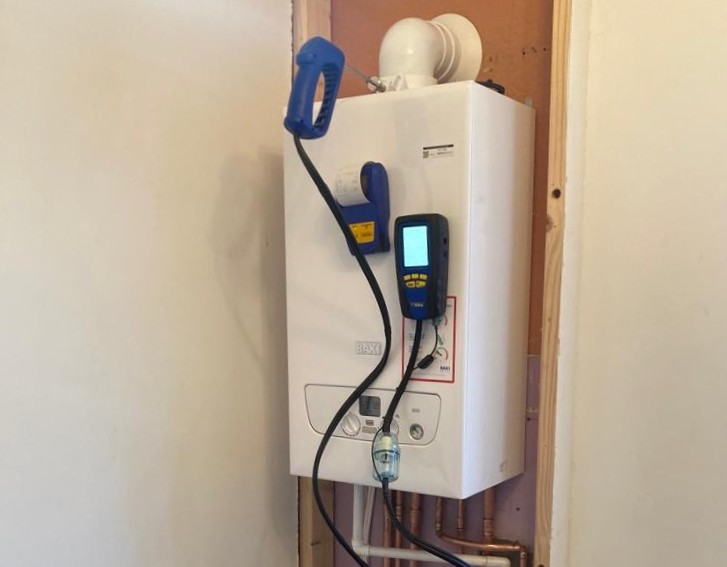
When your boiler stops working properly, it is easy to assume that replacing it is the only option. In reality, a fault doesn’t automatically mean the boiler has reached the end of its life. Many problems can be repaired, especially when the appliance is relatively modern and has been reliable so far.
The first step is finding out exactly what has gone wrong, and that’s a job for a Gas Safe registered engineer. Here’s how we weigh up repair against replacement when we’re called out to a broken boiler.
When a Boiler Can Usually Be Repaired
Some common boiler problems can be resolved without having to replace the entire appliance. A leak isn’t always bad news. A dripping valve or seal is usually a straightforward repair, but a leak from a corroded heat exchanger often isn’t worth fixing on an older boiler.
The right solution depends on the cause of the fault, the condition of the boiler and whether suitable replacement parts are available. A repair may therefore make good sense when the issue is isolated, and the boiler is being reliable overall.
Signs Your Boiler May Need Replacing
An ageing boiler that requires regular attention becomes less and less practical to keep repairing. Repeated breakdowns, unusual noises, inconsistent heating or hot water, rising energy bills and visible leaks can all indicate that further investigations are needed.
None of these signs automatically mean you have to get a replacement. However, if several problems are occurring or repairs are becoming increasingly frequent, it may be worth discussing whether installing a new boiler would be a more suitable long-term solution.
Key Factors to Consider
As well as considering the age of your boiler, you should also think about how often the boiler has needed repairs, the likely cost of the latest repair, availability of parts and its overall reliability.
Older non-condensing boilers waste noticeably more gas than modern condensing models, so a new boiler can cut your running costs. It is also important to establish whether your current boiler is the right size for your property and household needs.
What To Do When Your Boiler Breaks Down
Before you call anyone, a few quick checks can save you a callout:
- Make sure the boiler has power, and the timer and thermostat are set correctly.
- Check the pressure gauge. Most boilers should sit between about 1 and 1.5 bar when cold, but check your manual for the exact range.
- If your other gas appliances aren’t working either, check your gas supply or prepayment meter.
- In freezing weather, a frozen condensate pipe is a common cause of breakdowns. Pouring warm (not boiling) water over the pipe outside can thaw it.
Never remove the boiler casing or try to repair gas components yourself.
If you smell gas, call the National Gas Emergency Service on 0800 111 999. Turn off the gas at the meter if it’s safe to do so, open doors and windows, and don’t use light switches, electrical appliances or naked flames.
If anyone in your home has headaches, dizziness or nausea that ease when they go outside, it could be carbon monoxide. Get everyone into fresh air, call the same number and seek medical advice.
Why Professional Diagnosis Matters
Boiler faults can have several possible causes, and symptoms alone do not necessarily identify the underlying issue. Gas boiler work should only be carried out by a Gas Safe registered engineer.
A proper diagnosis can help to establish whether a repair is sensible or whether a replacement is needed.
Repair or Replacement: Making the Right Decision
A simple fault on a reliable boiler may be reasonable to repair, whilst an older appliance with repeated problems could make replacement worth investigating.
If you need expert advice, LKG Daughters can help assess your boiler and discuss suitable options. Find out more about our boiler repairs in Essex and arrange professional assistance when your boiler needs attention.